Using Film for Inspiration on the Streets
It’s Thursday afternoon. I’ve spent about half an hour tidying the house and I’m already looking for an excuse to stop.
It occurs to me I haven’t written a blog in a while. My advice to anyone considering a career in writing would be simple: don’t. It’s like having homework for the rest of your life.
Still, it’s preferable to tidying.
Only people with a very particular kind of anxiety actually enjoy that. Creative types tend to avoid it at all costs. We have our own flavours of anxiety, and they’re rarely about mess.
Anyway, where was I?
I was thinking about inspiration in street photography. Anyone who shoots regularly in the same city knows it can be hard going. Things start to feel repetitive.
A lot of photographers swear by photo books as a source of inspiration, and that’s fair enough. They are a solid choice. But sometimes I find them a bit lacking in terms of what I can actually learn from them.
Each photo is an island. I can look at a perfect image and understand why it works, but I often want to see how it was arrived at. What came before it. What changed.
That’s where film comes in.
Film can do a similar job to a photo book in terms of strong imagery, but the addition of movement adds something extra. If you’ve never tried videography or filmmaking, it’s easy to underestimate how difficult it is to combine composition with motion.
To frame a great image, then move seamlessly into another great image, is not easy. Of course, a lot of it is meticulously planned by professionals and may be out of reach for us humble street photographers.
But it’s still worth watching films with this in mind.
Pay attention to what movement adds. Notice how scenes evolve. Even though we make static images, we rarely arrive at them instantly. Before pressing the shutter, we’ve usually explored a few variations, shifting position, adjusting angles, refining the frame.
In a way, it’s not that different from how a camera moves through a scene in film.
Some films I’ve watched recently that are worth checking out are below.
Blow Out
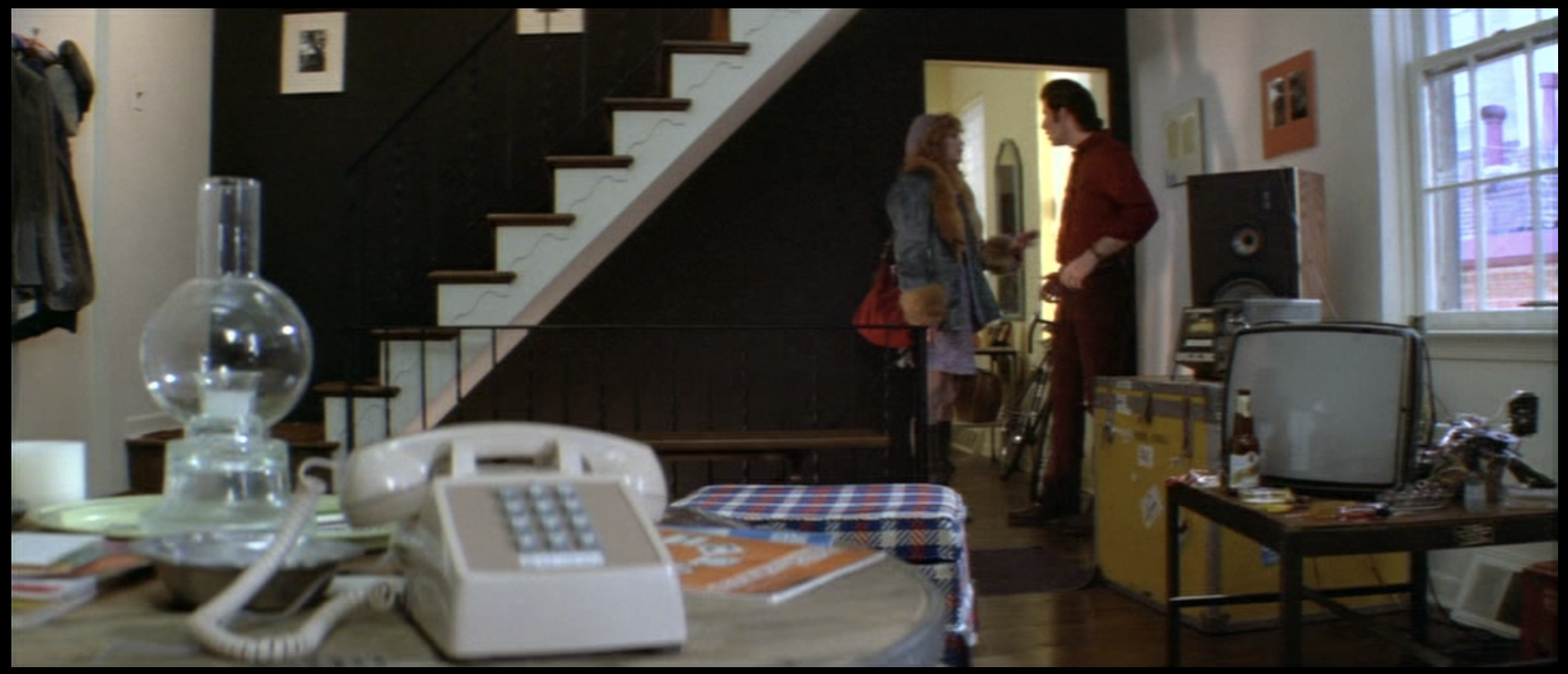
A classic by Brian DePalma featuring one of Travolta’s best acting performances. Like the other films on this list it has incredible cinematography and may “pause worthy” images and great locations.
The Talented Mr Ripley
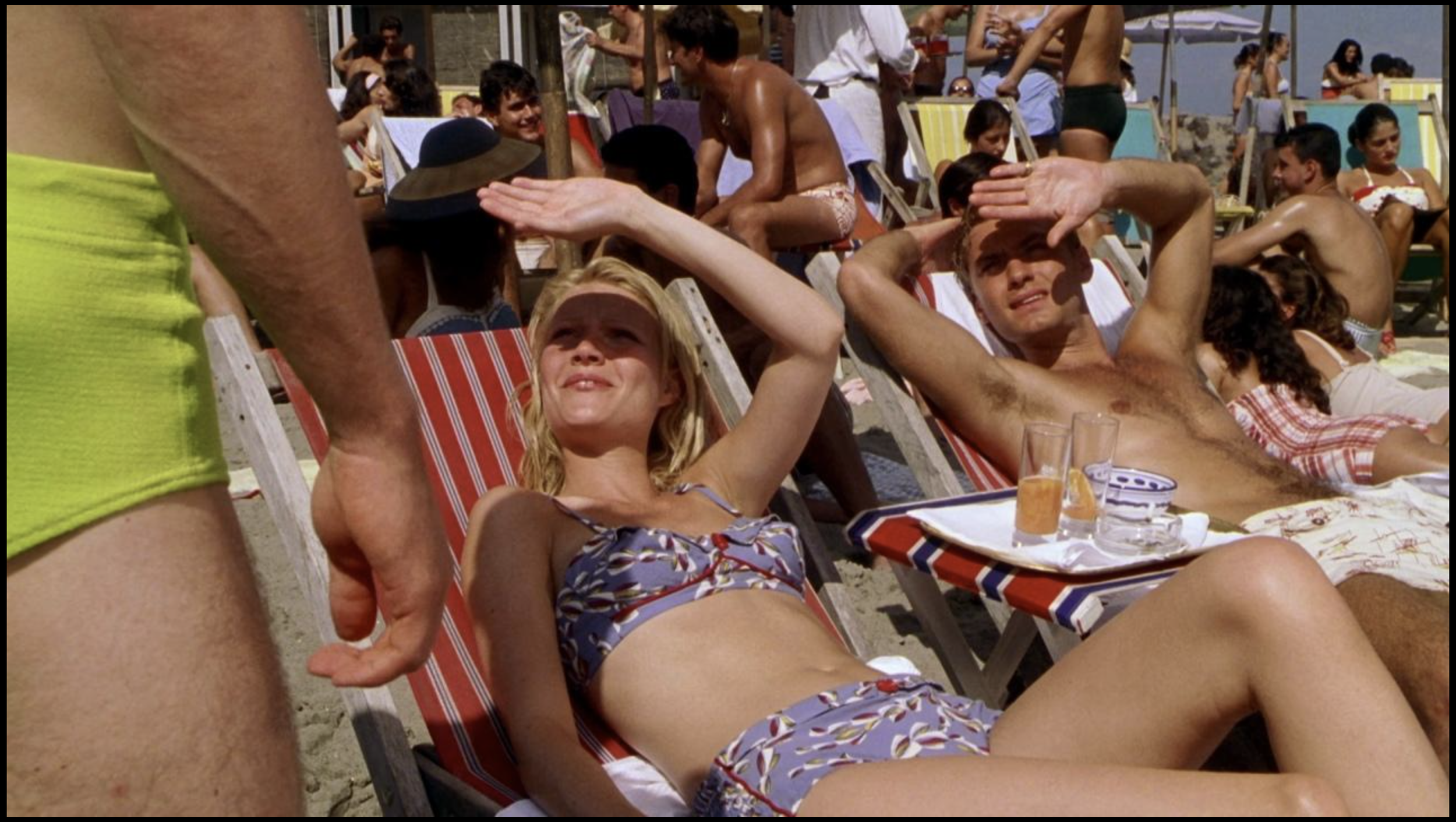
Filmed in various stunning locations in Italy, starring Matt Damon in one of this best if not creepiest performances and Jude Law in the movie that launched him. It never got quite as good for him as this when it seemed like anything could be possible for him as an actor. Great performances also by Phillip Seymour Hoffman and Gwyneth Paltrow.
Fargo
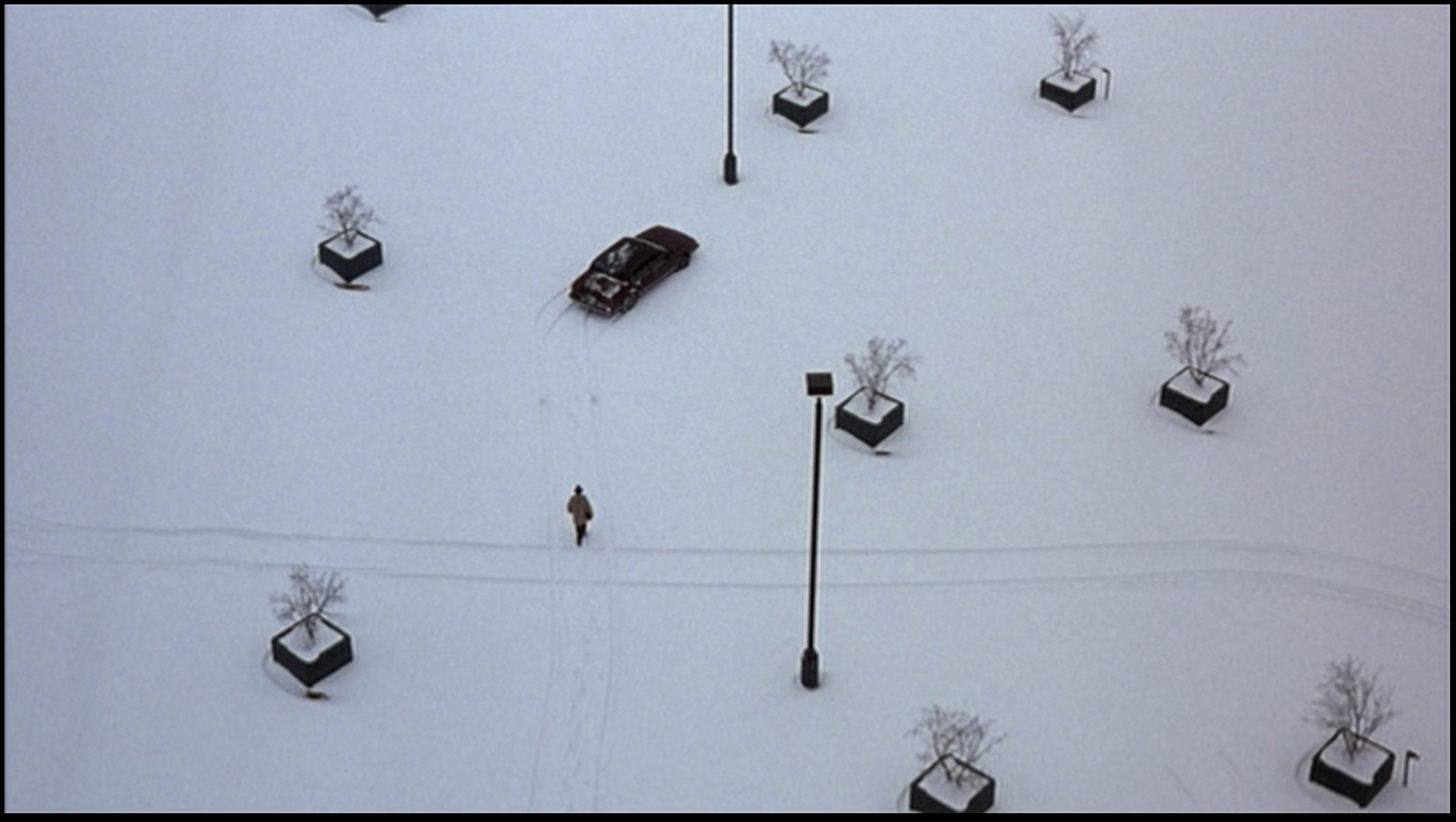
Apparently Tom Hanks called this a “perfect movie”. I can see why, the runtime is around 90 minutes and there’s not a wasted scene. The Director of Photography duties are handled by Roger Deakins and he nails is as usual with many images of the the snow covered locations in Minnesota providing understated minimalist but yet stunning frames.
Sicario
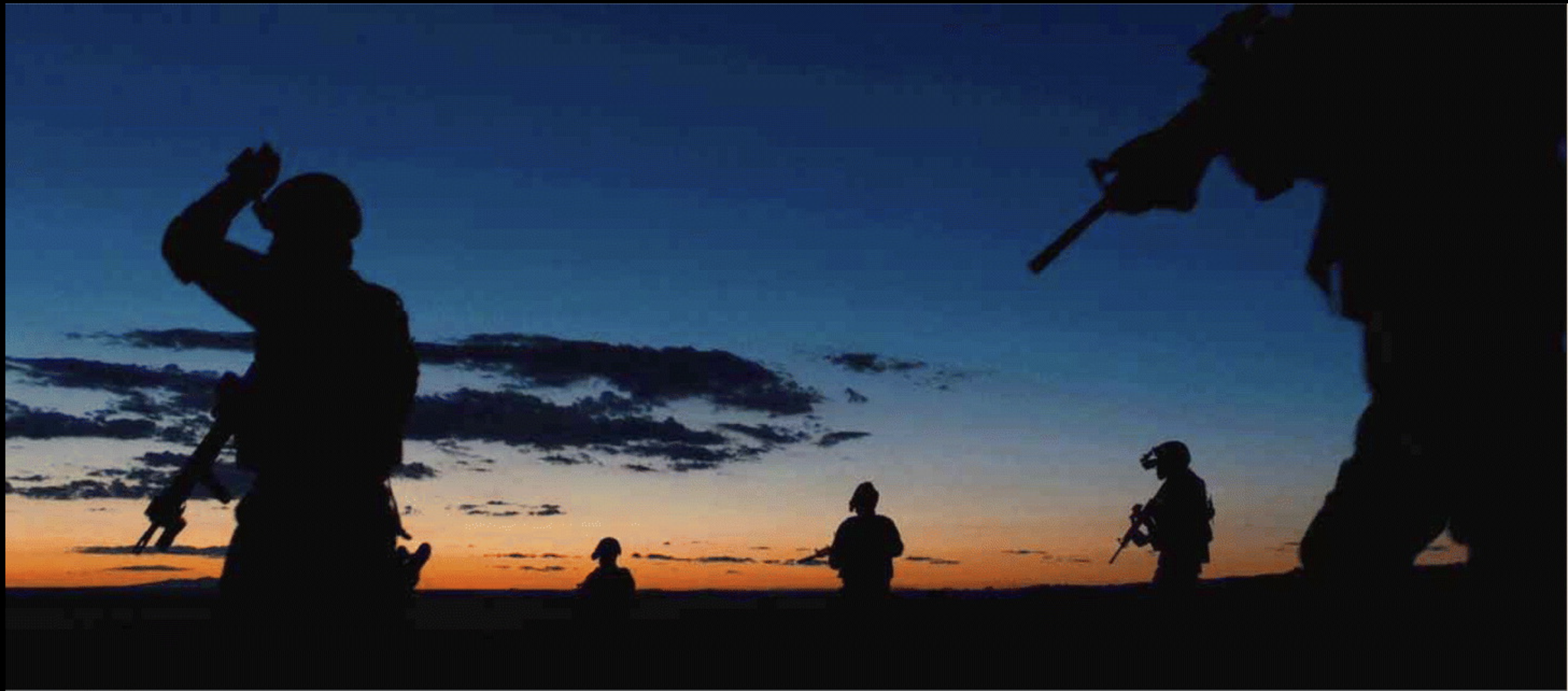
A modern classic. The more times I watch this the more I enjoy it. Featuring some unique storytelling and wonderful images, again Roger Deakins has a hand in this one.
Conclusion
To sum it up: I’m not a film critic so I’ll spare you any more of my recommendations. Cinematic street photography is very popular these days, it’s about more than just a fancy colour grade.
The next time you’re watching a film, think about what exactly it is that catches your eye about an image. You may not have the location or subjects to get a perfect sunset and a platoon of soldiers like Roger Deakins but that doesnt mean you can’t learn a little about composition and storytelling. Have fun!
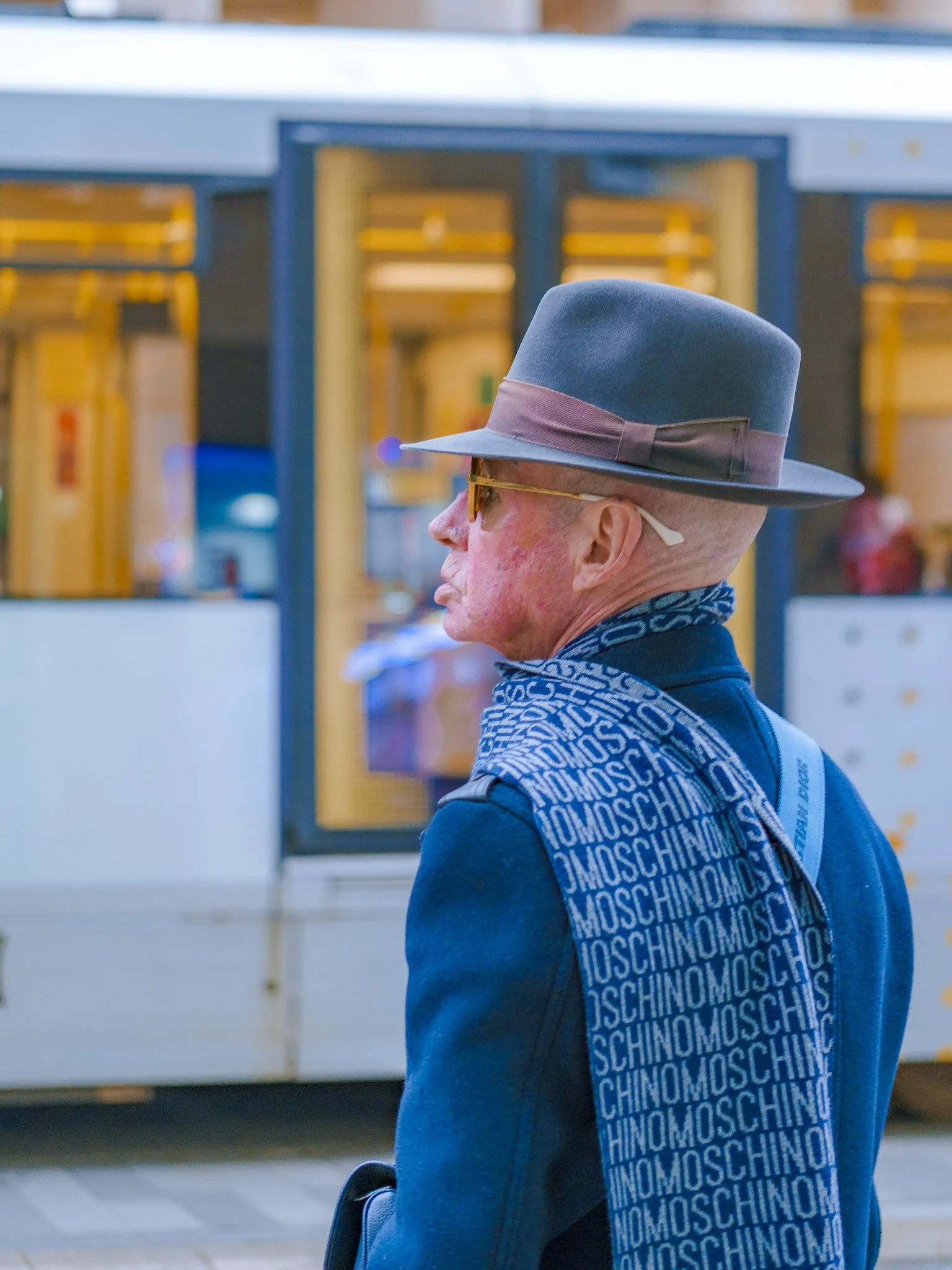
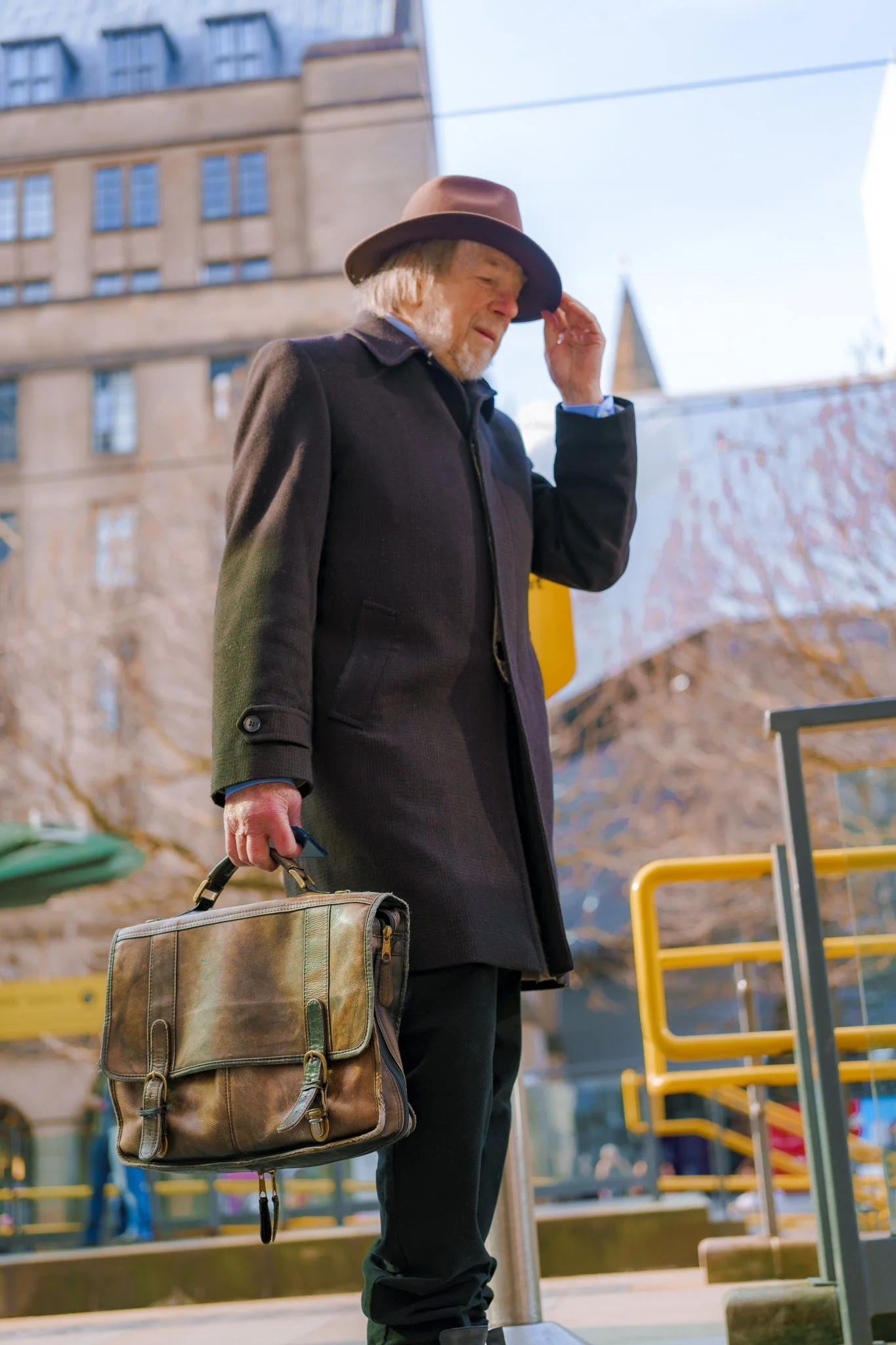
Some recent photos (below). When I’m not watching films I occasionally take photos!