Saying Goodbye to a Loyal Companion
Winter is upon us, and as we hurtle with breakneck speed towards Christmas, I can’t help but feel that change is in the air in some way, shape, or form.
A Quick Sidebar on The Wire
My first rewatch of The Wire is nearing its end, and it looks set to finish with more of a whimper than a bang. The Season 5 premise starts out reasonably enough, it is to hopefully add yet another piece in the show’s sprawling jigsaw puzzle of institutions quietly complicit in urban decay.
Season 4 shone a particularly harsh light on the education system—how it fails children and, in doing so, fails society as a whole. But the show never stops there. It pulls back the curtain on the police department, with its obsession over stats and clearance rates; City Hall, where political ambition routinely trumps public good; the media, which distorts narratives in pursuit of circulation; and the economic forces that underpin everything—from the docks in Season 2 to the murky world of redevelopment and real estate.
Each institution, in its own way, is broken not because of one villain but because the system itself is designed to reward the wrong things and punish genuine attempts at reform.
In Season 5, the spotlight shifts to the journalism industry, and for me it proves to be a step too far—it’s just a bit dull. The show starts to feel like it’s jumped the shark in other ways too, particularly with its main protagonist, Jimmy McNulty, who turns into a caricature of himself. In a hackneyed attempt to try to secure more budget from City Hall for his department, he concocts a Baltimore serial killer, planting a red ribbon on the bodies and even using a set of dentures to leave bite marks on the cadavers’ genitals—his twisted take on a so-called “signature.”
Great shows aren’t supposed to go out like this, but they usually do. The Americans in particular seem to enjoy amplifying the very traits that made a show great in the first place—cranking them up until they tip into farce, stripping away any subtlety until the whole thing collapses in on itself like a dying star.
Wait… Is This Still About Photography?
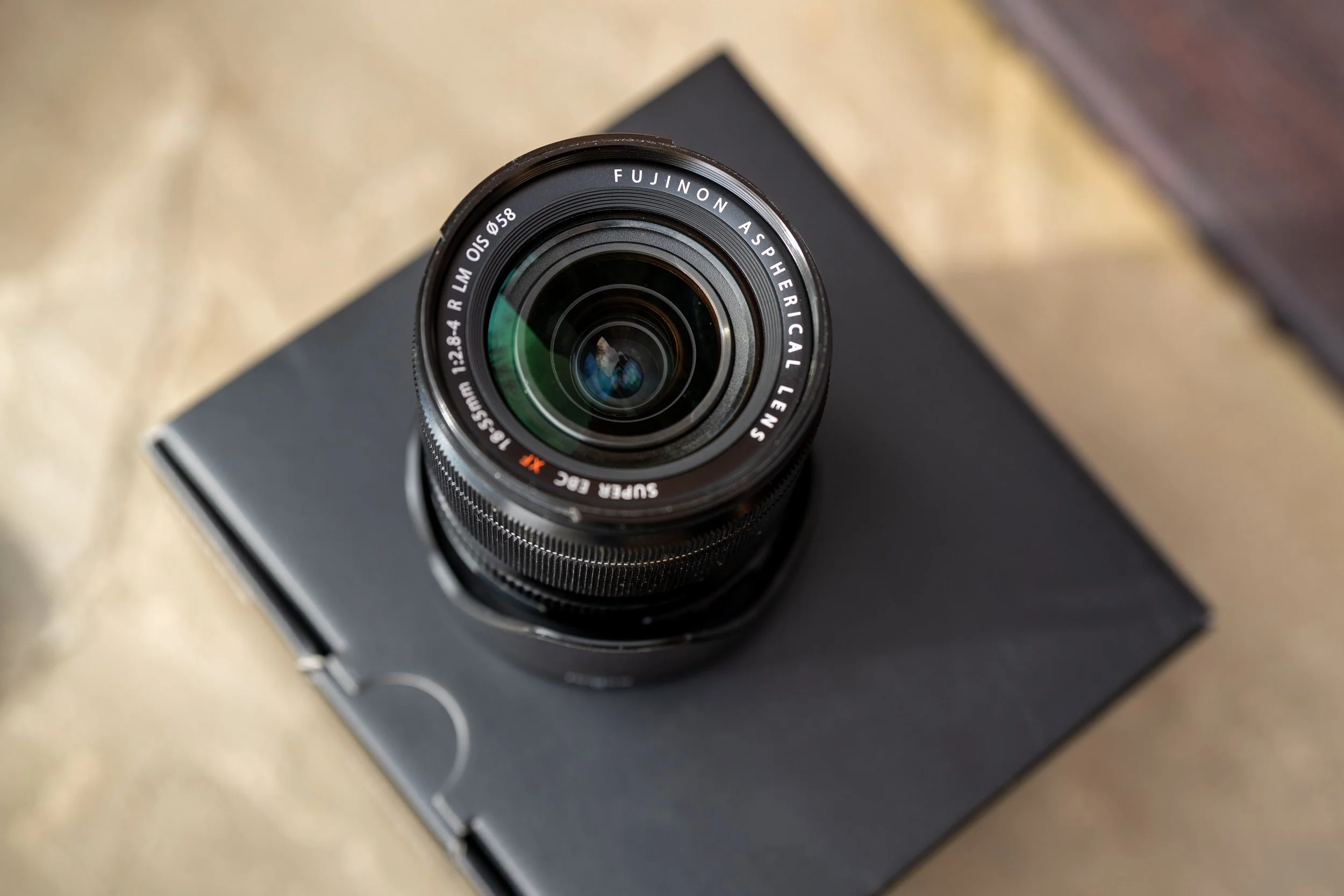
My Fujifilm 18–55mm is another entry on the list of “stuff that has fallen from grace”, relegated to second place by my new Sigma 28–70mm zoom. It has less range than the Fuji, and it’s definitely uglier, but the constant f/2.8 aperture wins out over the Fuji’s variable f/2.8–4.0.
More important than all that, though, is the simple fact that whatever aesthetic shortcomings or truncated range it has, it’s a perfect dance partner for the all-conquering Sony in my collection. The disruptor. Slowly forcing me to jettison one Fuji lens after another.
How Did We End Up Here?
After taking the Fuji 18–55mm to Barcelona—mainly because it was the only standard zoom I had at the time—I found myself wishing I’d brought the Sony instead. So it was only a matter of time before I picked up a standard zoom for the Sony and, in doing so, rendered most of the Fuji system nearly obsolete. The one exception is the 56mm (an 85mm equivalent!) f/1.2, which I can’t imagine replacing on the Sony side any time soon.
I saw something recently—maybe on YouTube—where someone talked about the two main types of camera experience. On one side, you have the people who love being completely locked into the camera; picture a Leica M shooter with rangefinder focusing and fully manual controls, totally immersed in the act of making the photo, for good or ill.
The Fuji offered a kind of hybrid experience—modern comforts like autofocus and auto ISO, but still with the manual dials and that vintage-camera aesthetic. But I’ve reached a point in my photography where, when I’m out shooting, the creative work happens the moment I see the shot and compose it. That’s the part I enjoy. After that, I want my interaction with the camera to be minimal. I want to point it at my chosen composition, let it do its job, and stay out of my way. I don’t want it to let me down.
That’s exactly what the Sony brings to the table for me at the moment.
Anyway, this is meant to be a tribute to the Fuji 18–55mm, not a Sony puff piece. So let’s start with how my dearly departed Fuji first came into my possession, and what it taught me about photography.


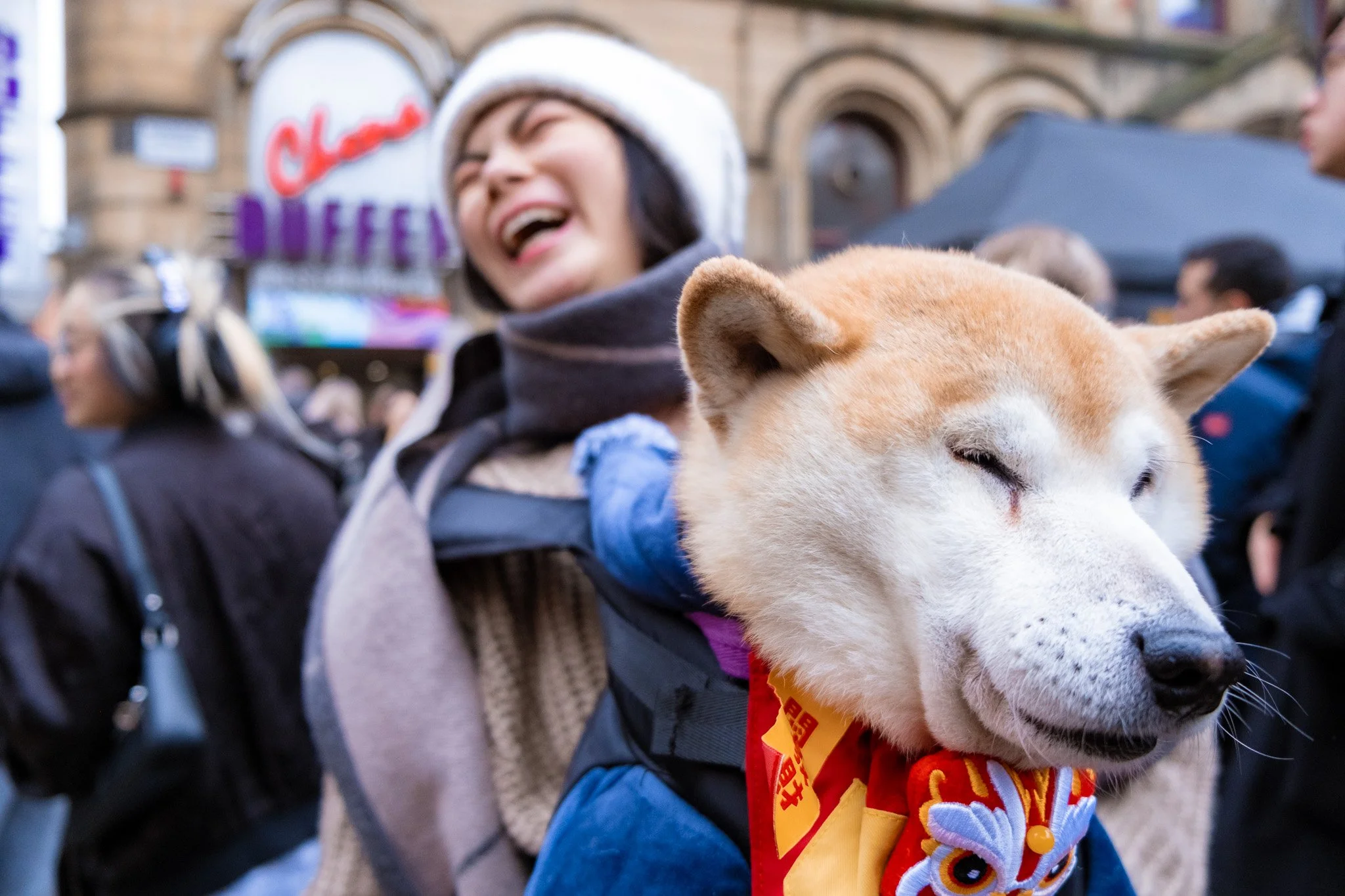
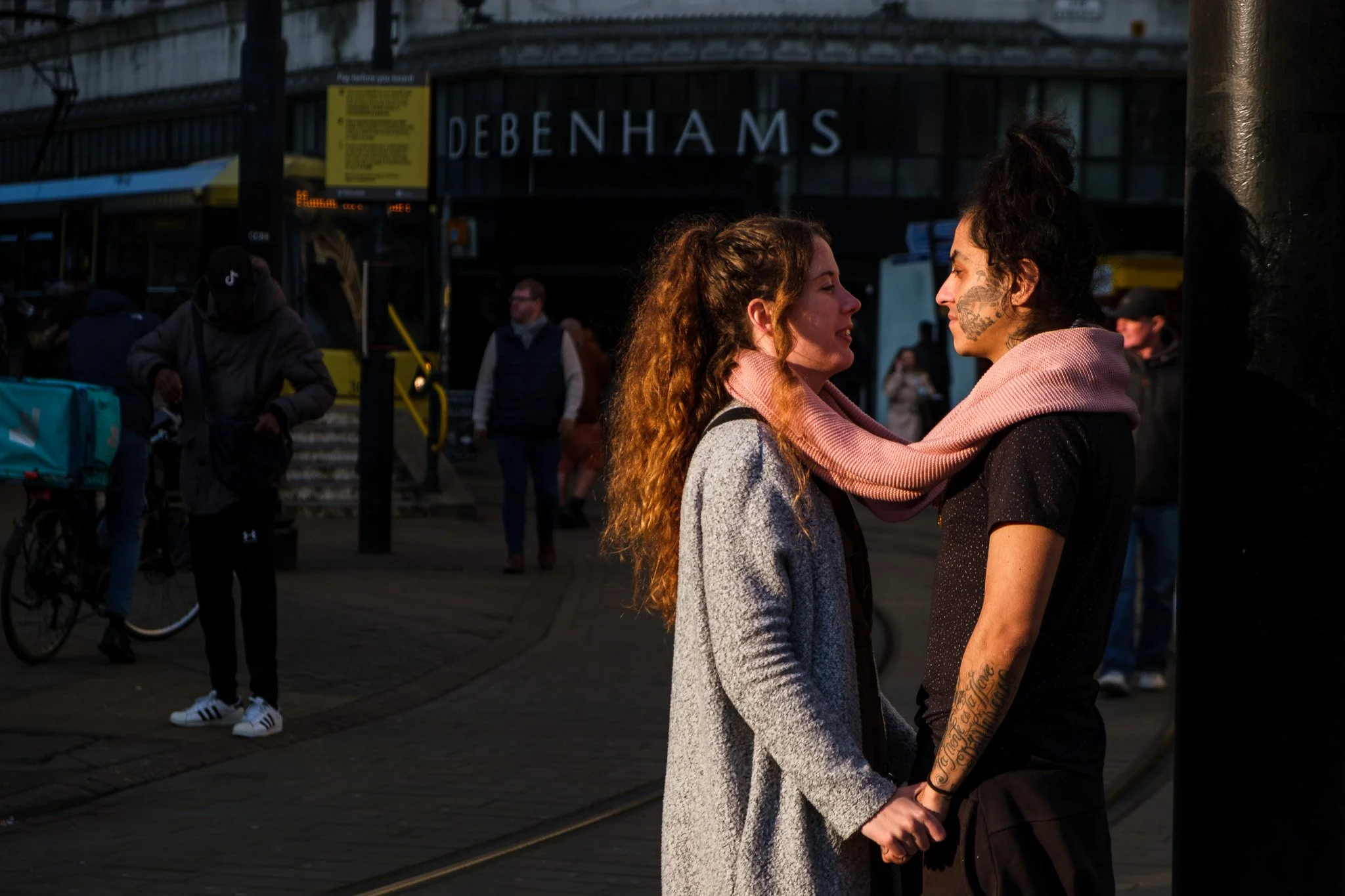
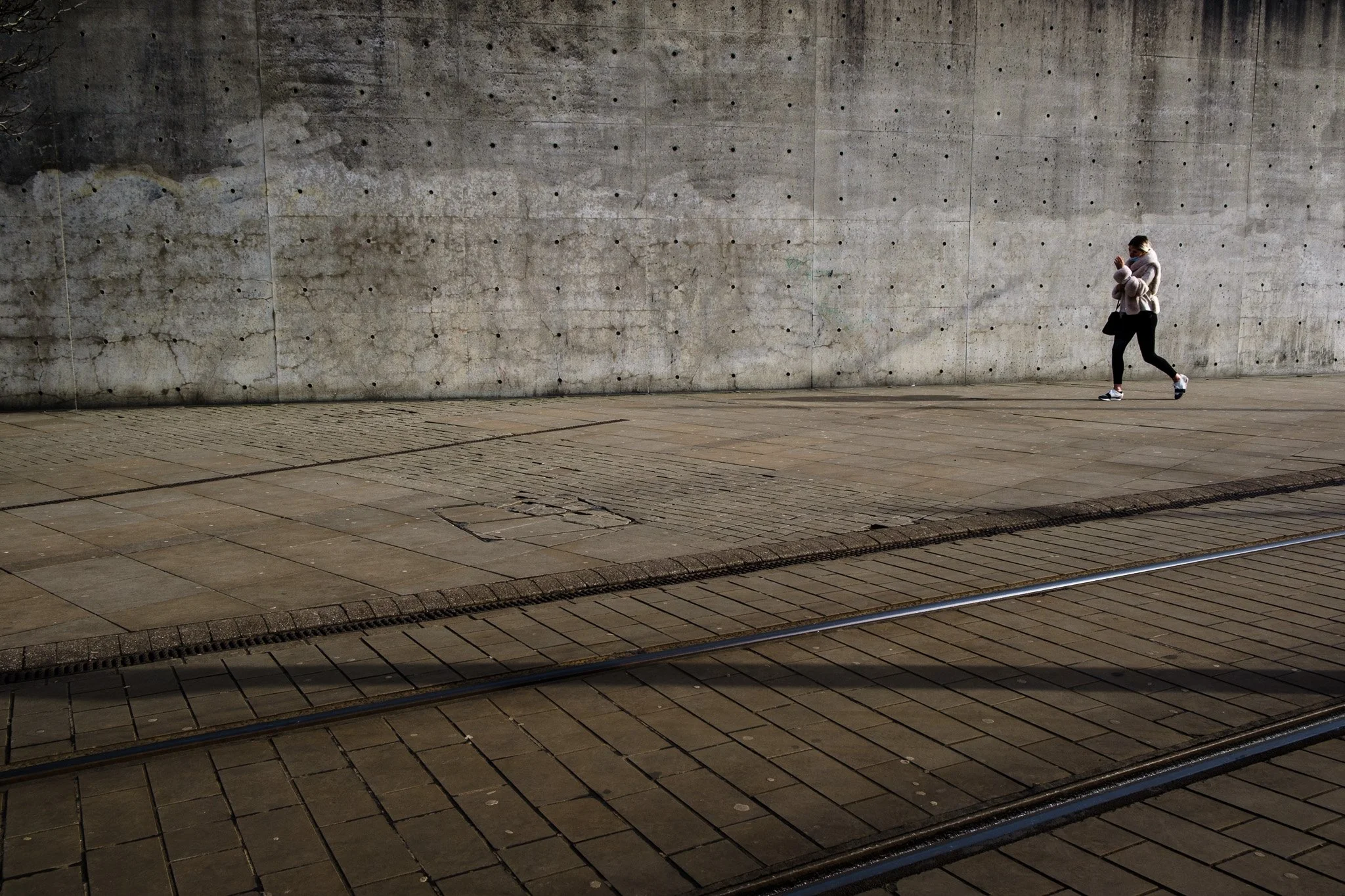
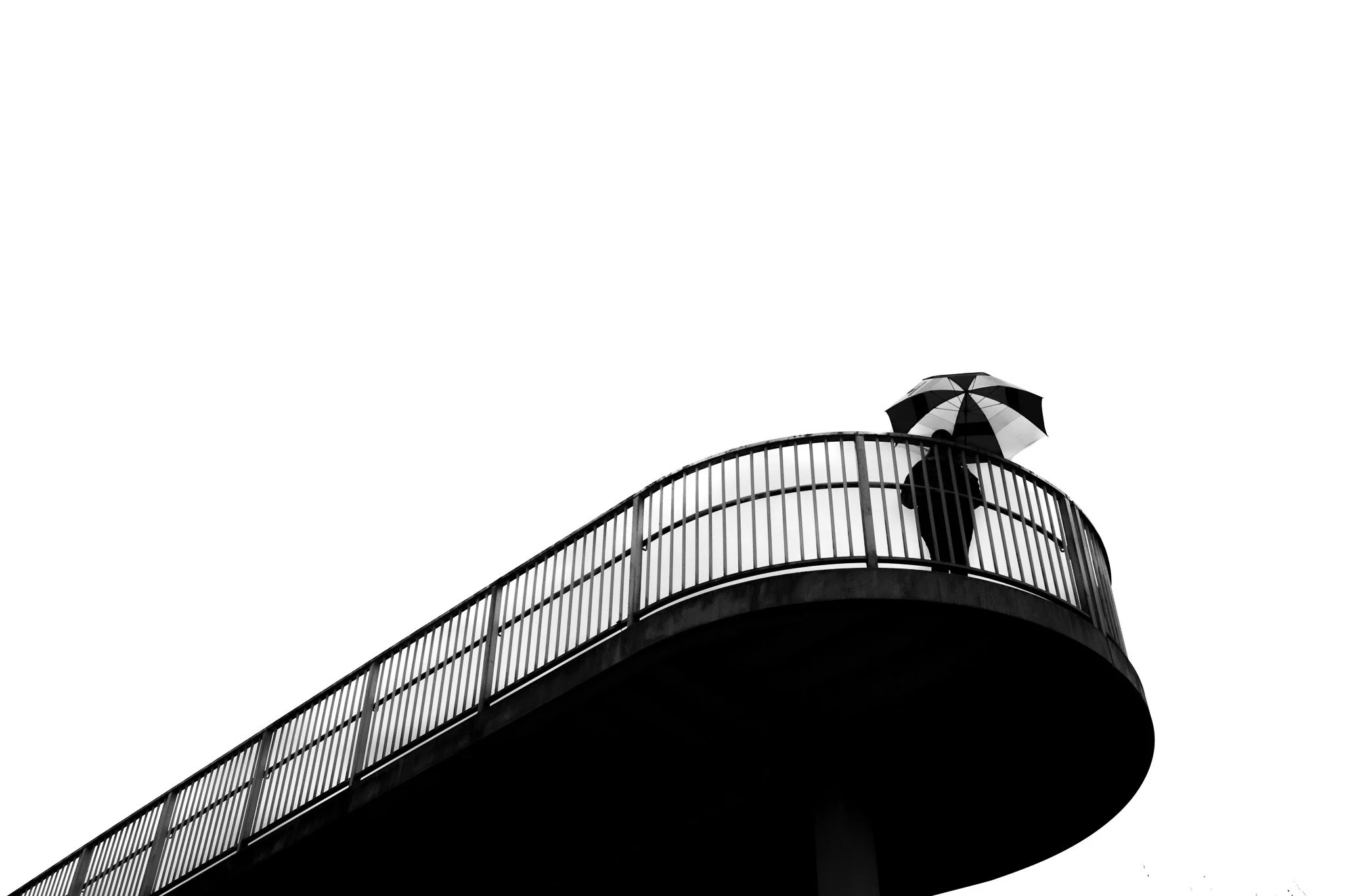
All This Drama for a Zoom Lens? Really?
I used to be a strictly prime-lens shooter until I discovered that some of my favourite photographers used zooms for street — and that was justification enough for me. I picked up this particular zoom for around £300 from Currys in a Christmas sale. It quickly became one of my most-used lenses and barely left my camera for a couple of years. For a so-called kit lens, it was fantastic: great autofocus and sharp, good-looking images. I really do miss the extra 15mm of reach it gave me compared to the new Sigma 28–70mm, but that seems to be the standard range for full-frame, so I’ll just have to live with it I guess.
Another feature I really miss is the aperture ring the Fuji had! Even though it was a variable-range zoom, so the ring didn’t have numbers—because they changed when you zoomed—it still felt tactile and intuitive. Now, without it on the Sigma, I often find myself floundering when I need to change exposure, trying to remember which dial on the Sony does what. I honestly can’t understand why every lens doesn’t have an aperture ring!
Anyway, apologies for the tangent. So, what did I learn from shooting with a zoom? Through using a small zoom, I discovered that many of the myths about zooms are just bollocks—lesser image quality, slow autofocus, and the two most peddled claims: that not “zooming with your feet” like with a prime stunts your creativity, and that you’ll miss shots because you’re fiddling with the zoom instead of nailing the shot. I honestly can’t understand how people say this with a straight face.
The former is rubbish—YOUR creativity is what counts, not the lens. If you’re not imaginative enough to work with a zoom, you weren’t going to magically be more creative with a prime either.
The latter is a load of old pony as well. There are people capable of the most incredible, physics-defying feats, so it was no surprise to me that, with a bit of practice, you can get really quick with a zoom too.
So I’m still a big believer in the standard zoom and at the moment the new Sigma has a huge legacy to live up to. This week the Fuji was snapped up on eBay and I hope it has gone to a good home.
Goodbye Fuji 18-55mm, you were beautiful. X