Moving Away From Instagraphy
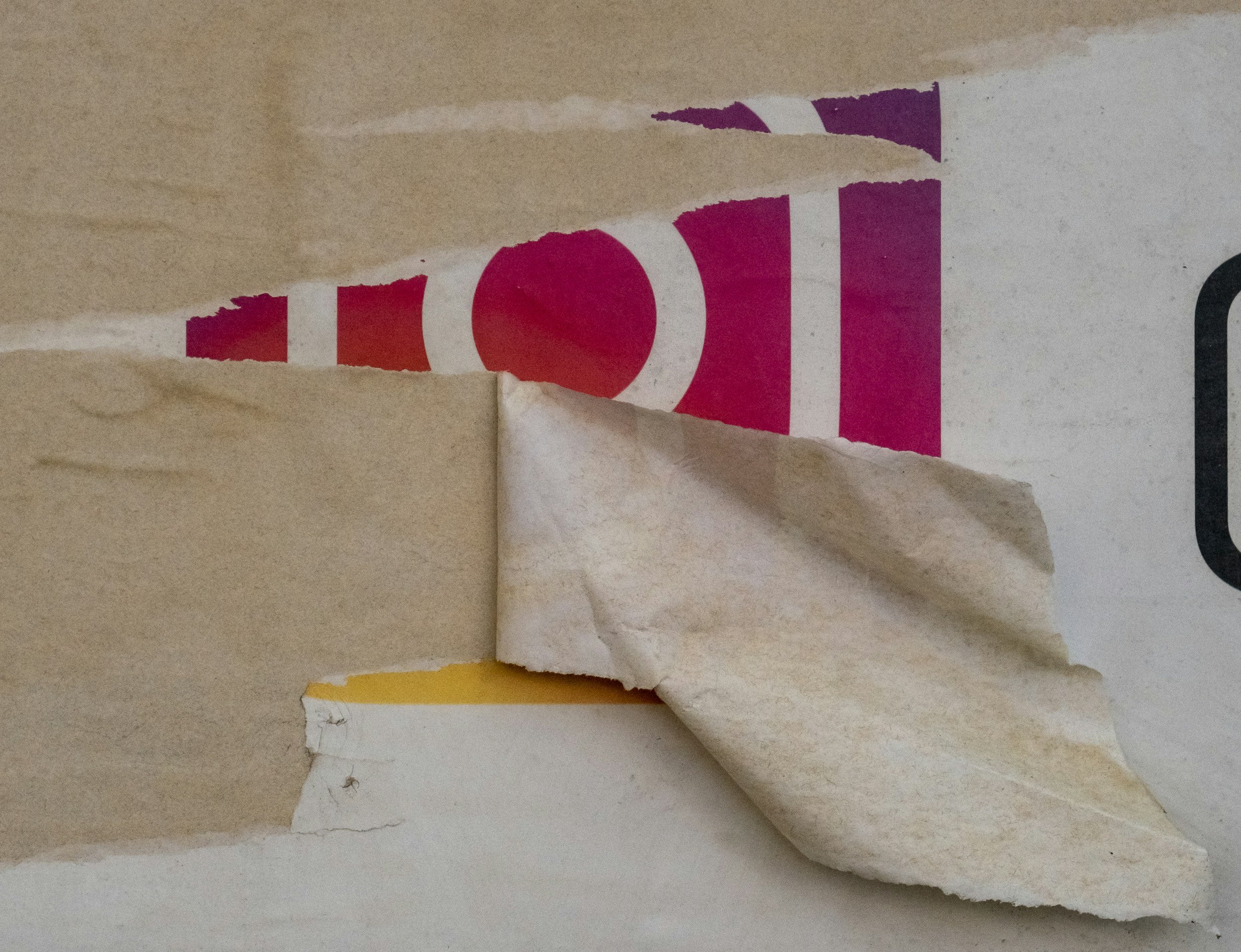
I’ve not written much on my blog recently, even though I have plenty of things I’d like to write about. I’ve just not had the motivation for some reason.
Anyway, I don’t want to get into pre-blog waffle, so let’s get into it.
Instagram Fatigue
So, what do I mean when I talk about Instatography? I mean photography that is optimised for Instagram - its audience and its algorithms.
For me and my street photography, that often meant shooting in portrait orientation to maximise a mobile phone's screen real estate. Usually it was one subject: an interesting character or someone walking through a patch of light. Stuff like that. There’s nothing wrong with those photos, but eventually they left me feeling creatively unchallenged, like I was repeating myself.
Why Do I Shoot Like This?
Probably for the same reason everyone else does it: maximum exposure on Instagram.
The funny thing is, I wasn’t into photography before Instagram. I downloaded the app because my friend wanted to tag me in a photo, so I needed an account for that, right?
Anyway, once I had an account, I didn’t really get the point of the app, but I started taking photos simply so I had something to post. Eventually I got into photography seriously. Looking back, though, my photographic development was heavily influenced by Instagram. Hence the vertical photos.
Thousands upon thousands of images with barely any context because the photographic frame is so narrow. Compare it to watching a film vertically. I’m sure they exist somewhere, but a filmmaker’s instinct is usually to go as wide as they can.
A photographer’s instinct should be no different. We’re lucky that we can turn our cameras vertically when it makes sense, for portraits for example. But I think the default for most photographs should be landscape. That’s also reflected in most photography books, which are designed to make the maximise photo size as most would be landscape traditionally. Some more modern books are vertical, probably influenced by Instagram, or perhaps simply because they focus on portrait photography.
Anyway, I’ve decided to shoot in landscape most of the time now. Remember, you can always crop a landscape image into a vertical later if it makes sense. The opposite isn’t really true, or at least not in the same way.
How’s it going then?
I’ve been enjoying the results. It’s more demanding than I expected. For one thing, my eye has been trained to see a vertical photo, so I have to work much harder to find a well-composed landscape image amongst the clutter.
It’s also harder to make a clean photograph with a clear subject while keeping visual noise to a minimum - people or objects that don’t add anything to the frame, or worse, actually take away from it.
I’ve been looking through some of my recent photos on my television by hooking my MacBook up via HDMI, and they look great on a big screen. On the small screen of a mobile phone they don’t look quite so good, but I’ll have to learn to make peace with that.
Instagram is wedded to the vertical. It’s a shame they don’t let you tap into a landscape image and simply turn your phone to appreciate it properly, but apparently that’s just too logical!
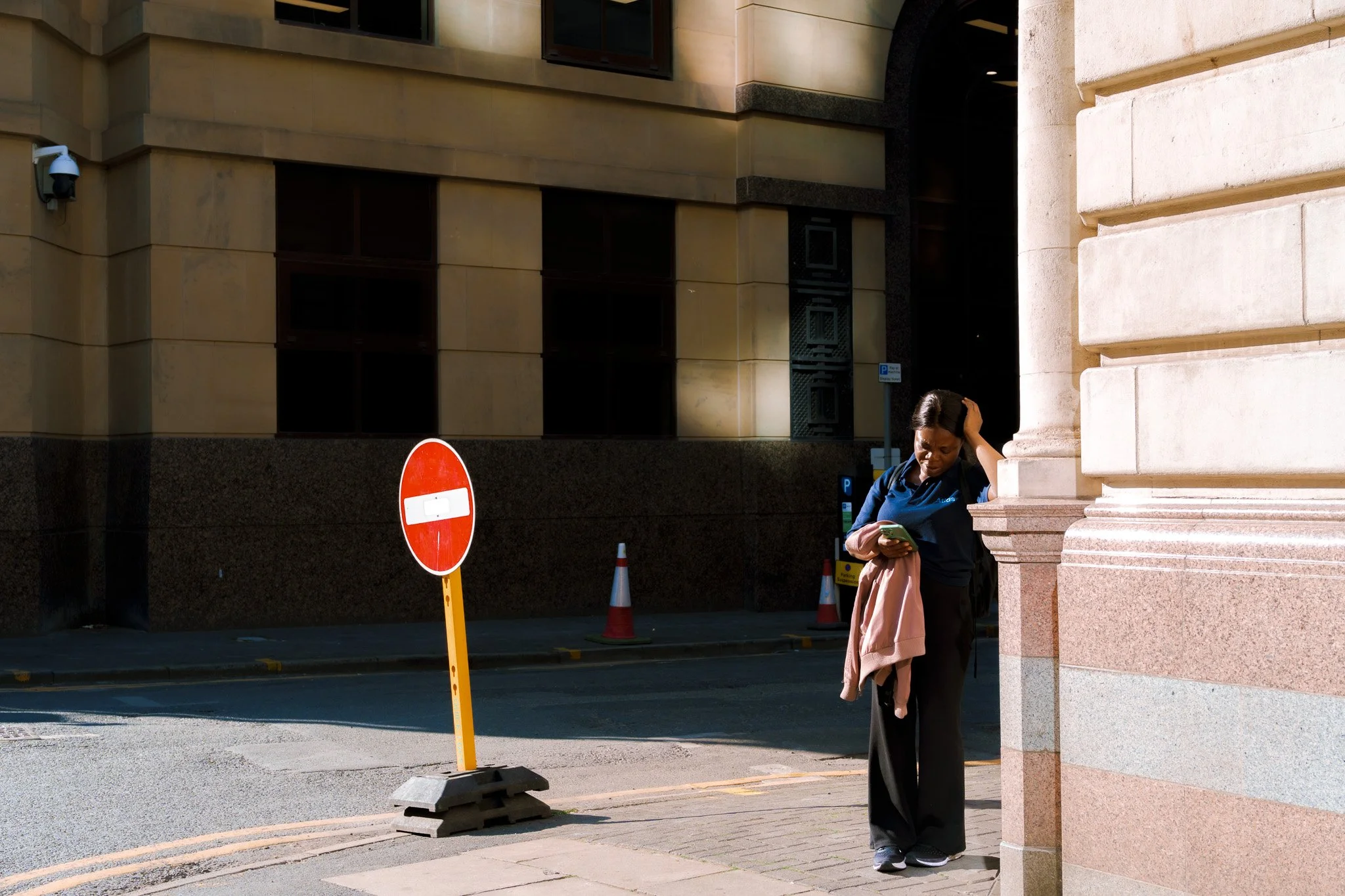
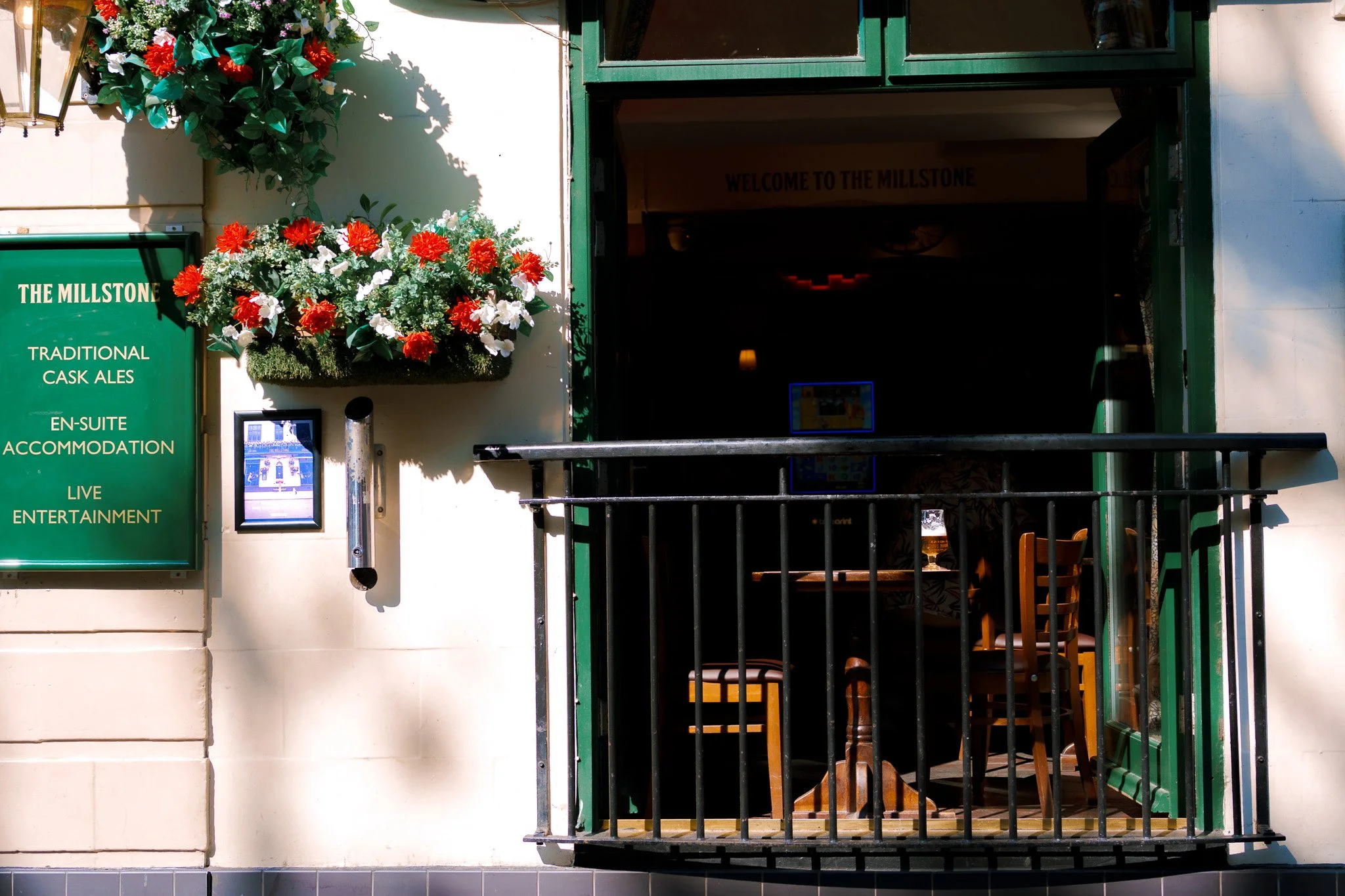
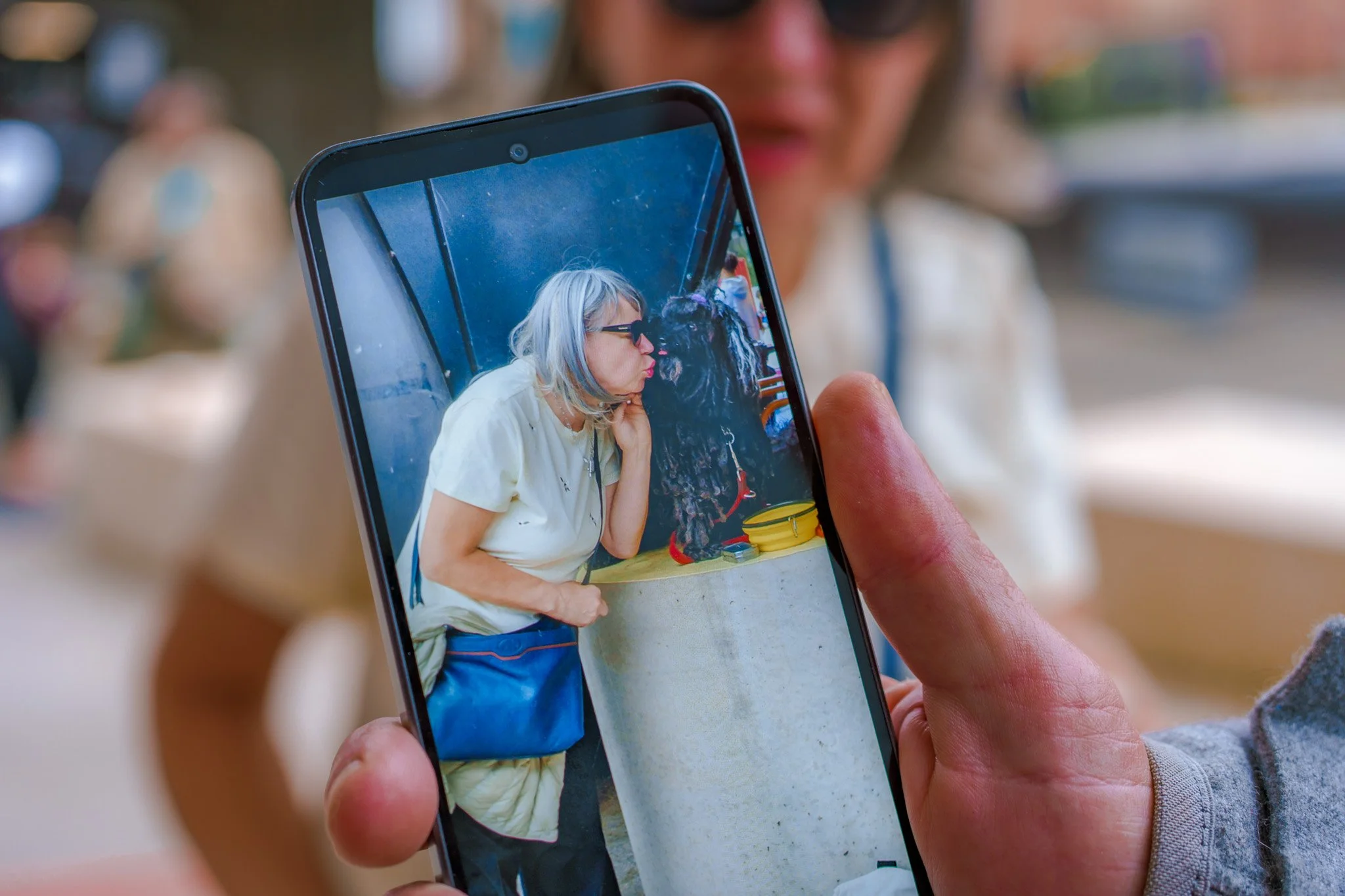
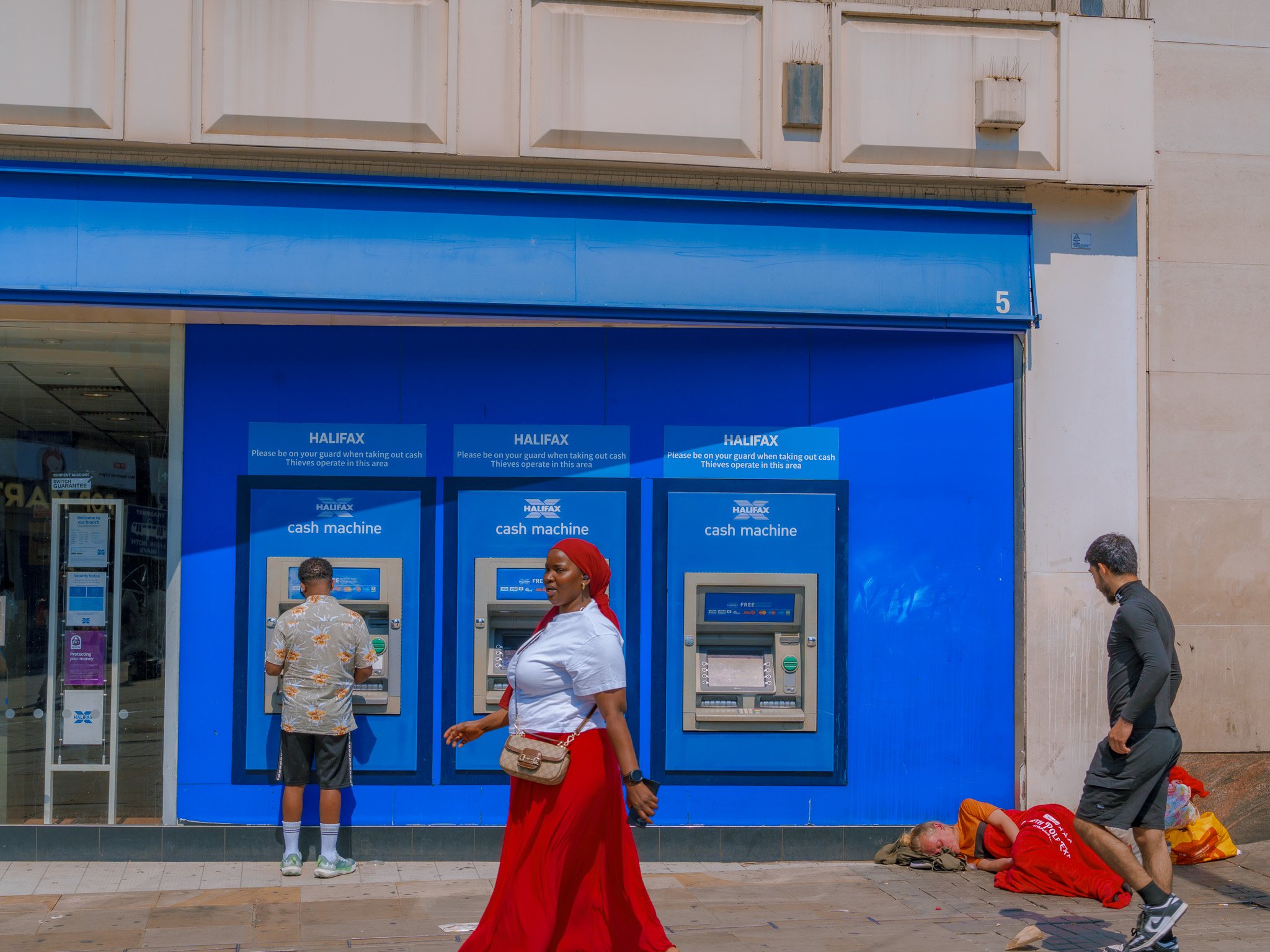
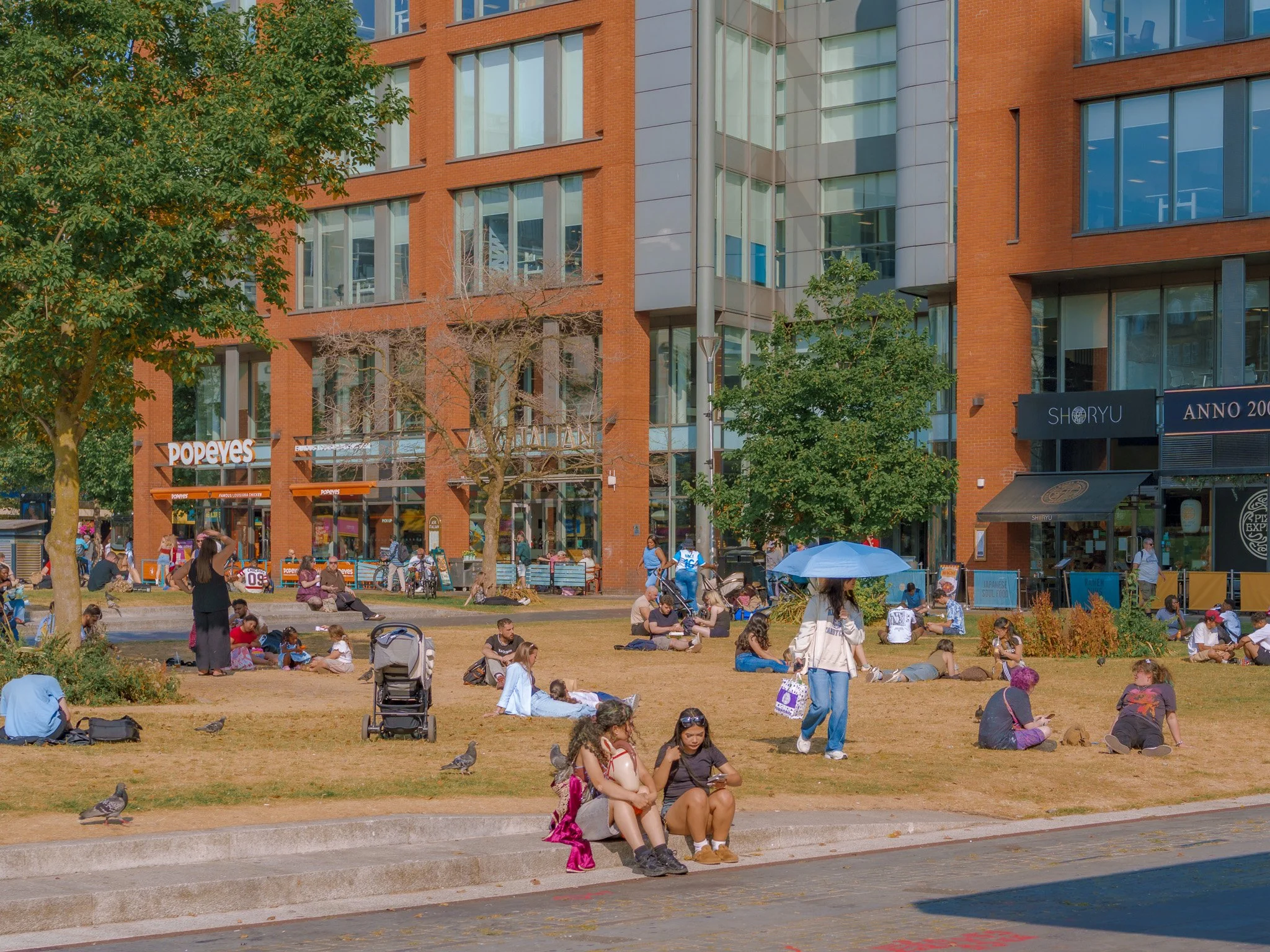
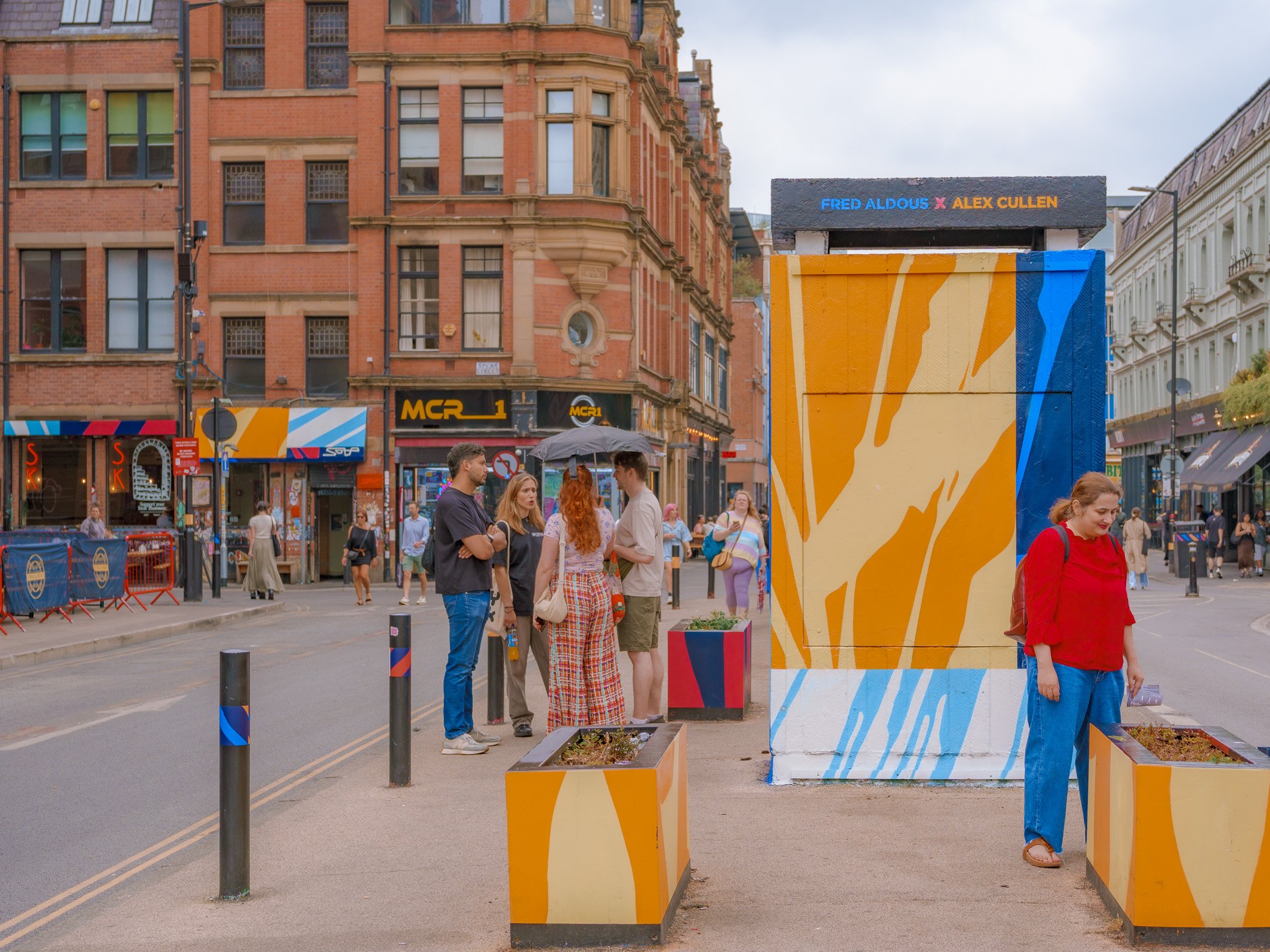
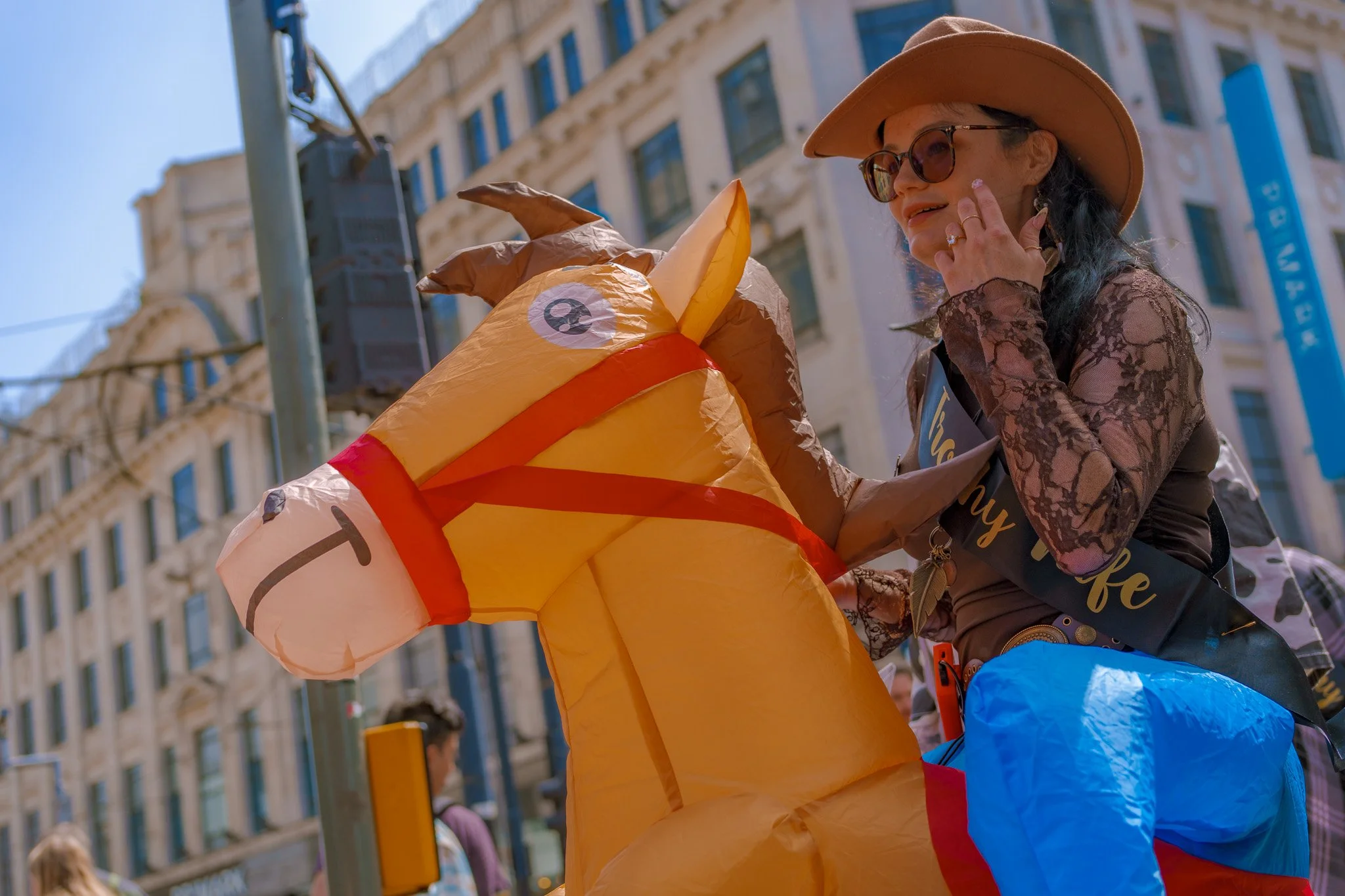
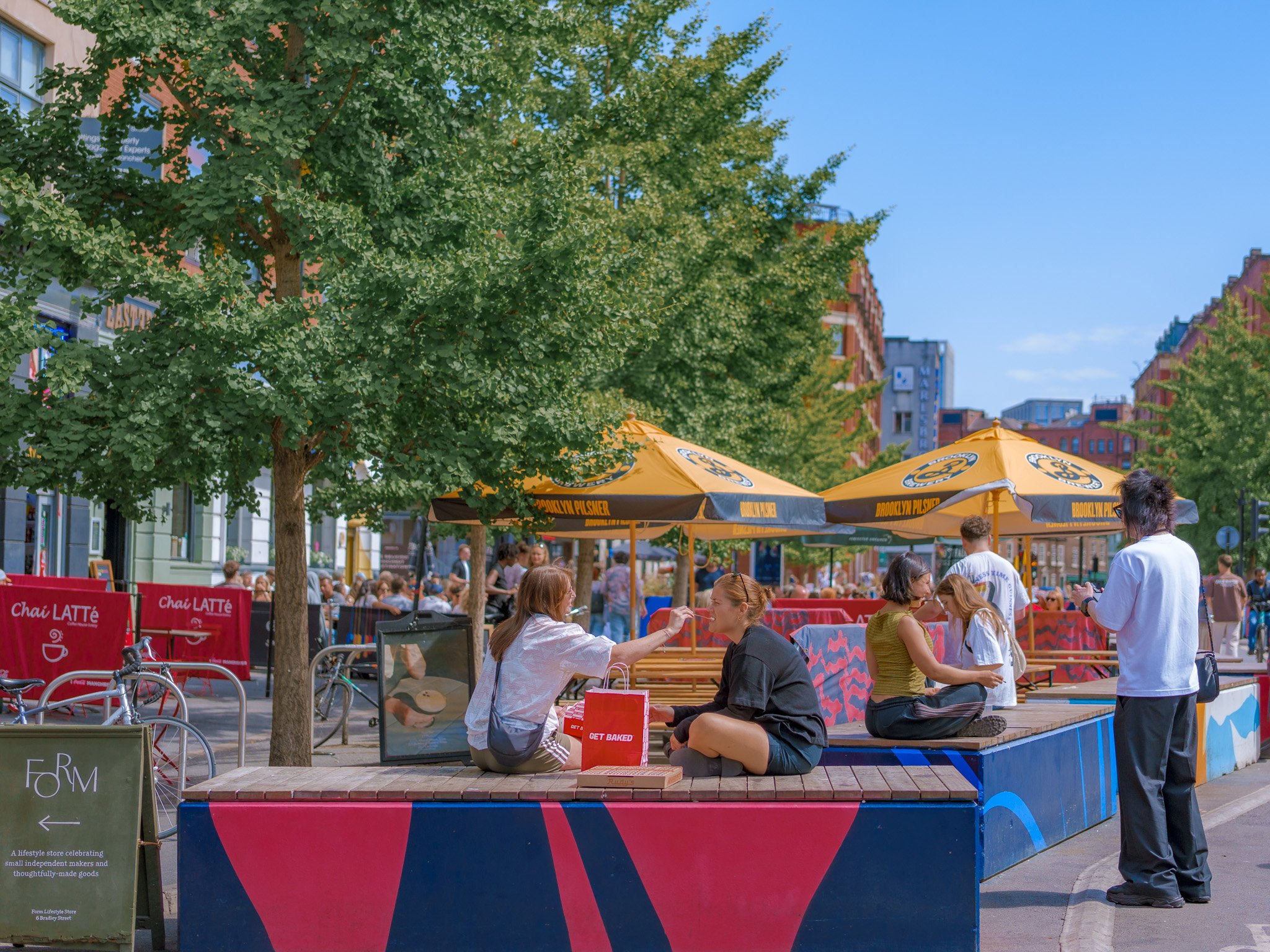
Anyway, that’s it from me. I’ve added a few recent photos to this blog, just on the off chance you’re reading this on a computer, iPad, or any device that lets you appreciate photos properly rather than at postage stamp size.